
Best Time of Year to Snorkel in the Red Sea
If you want the straightforward answer: the best time of year to snorkel in the red sea is during autumn (October to November) and late spring (April to May). During these sweet spots, sea surface temperatures in Sharm El Sheikh float between a comfortable 25°C and 28°C (77°F–82°F), underwater visibility routinely exceeds 30 meters, and surface winds are mild. You can stay in the water for hours wearing just a UV rash guard. That said, the Red Sea is a year-round marine paradise. Depending on whether you prefer bath-warm water, zero crowds, or lower travel rates, every season has its unique charm.
Since 1990, our team at Sun 'N Fun Egypt has been leading snorkelers across Ras Mohamed, Tiran, and the Sinai coastline. Here is what you can expect month-by-month in terms of water temperatures, marine life, and underwater clarity.
Autumn (September to November): The Goldilocks Season
Ask any local captain or dive guide in Sharm El Sheikh when they prefer to be on the water, and they will tell you autumn. By October, the scorching summer heat drops to a pleasant 28°C–31°C in the air, but the sea retains all the warmth accumulated over the summer months.
- Water Temperature: 26°C to 28°C (79°F–82°F)
- Visibility: 30+ meters
- Conditions: Calm seas, light breezes, and excellent light transmission for underwater photography
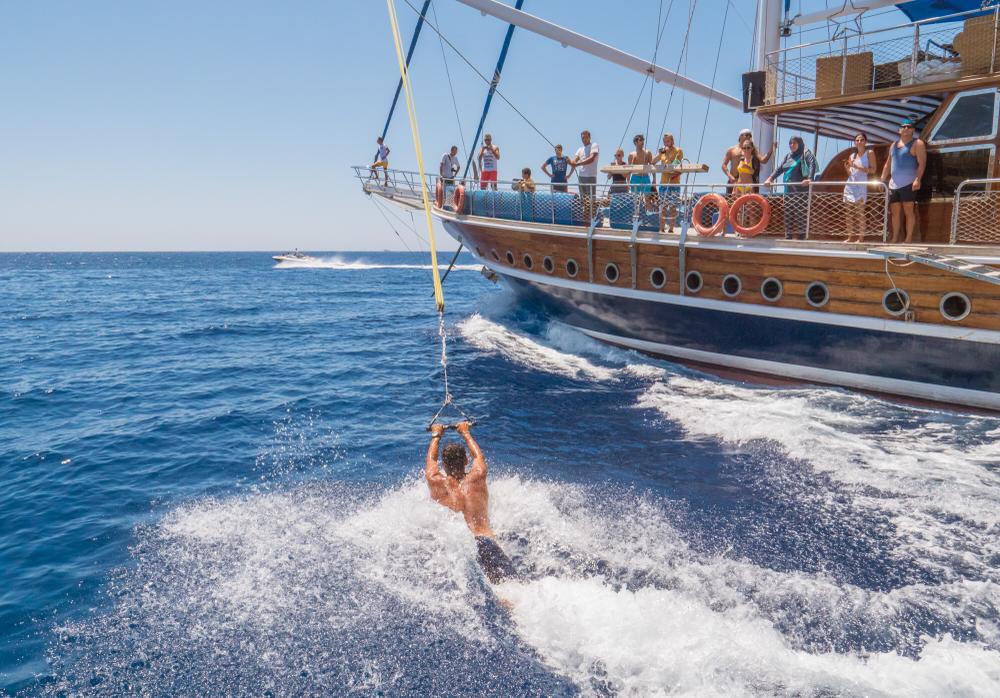
Because the ocean is still warm, marine life along the drop-offs is hyperactive. Rays, sea turtles, and massive schools of anthias crowd the hard coral gardens. It is the perfect time for a full-day sea excursion like our VIP Ras Mohamed, White Island Snorkeling & Lunch (Sina Dream). You can spent hours gliding across the shallows without feeling cold. Note that when visiting marine reserves, a national park entrance fee of $5 per person applies, which directly supports local reef preservation.
Spring (March to May): Warming Seas and Plankton Blooms
Spring is a season of transition across the Sinai Peninsula. March can still feel a bit crisp when exiting the water due to northern winds, but by late April and May, conditions are near-perfect.
- Water Temperature: 23°C to 25°C (73°F–77°F)
- Visibility: 25 to 30 meters
- Conditions: Moderate breezes, rapid air warming (25°C–32°C)
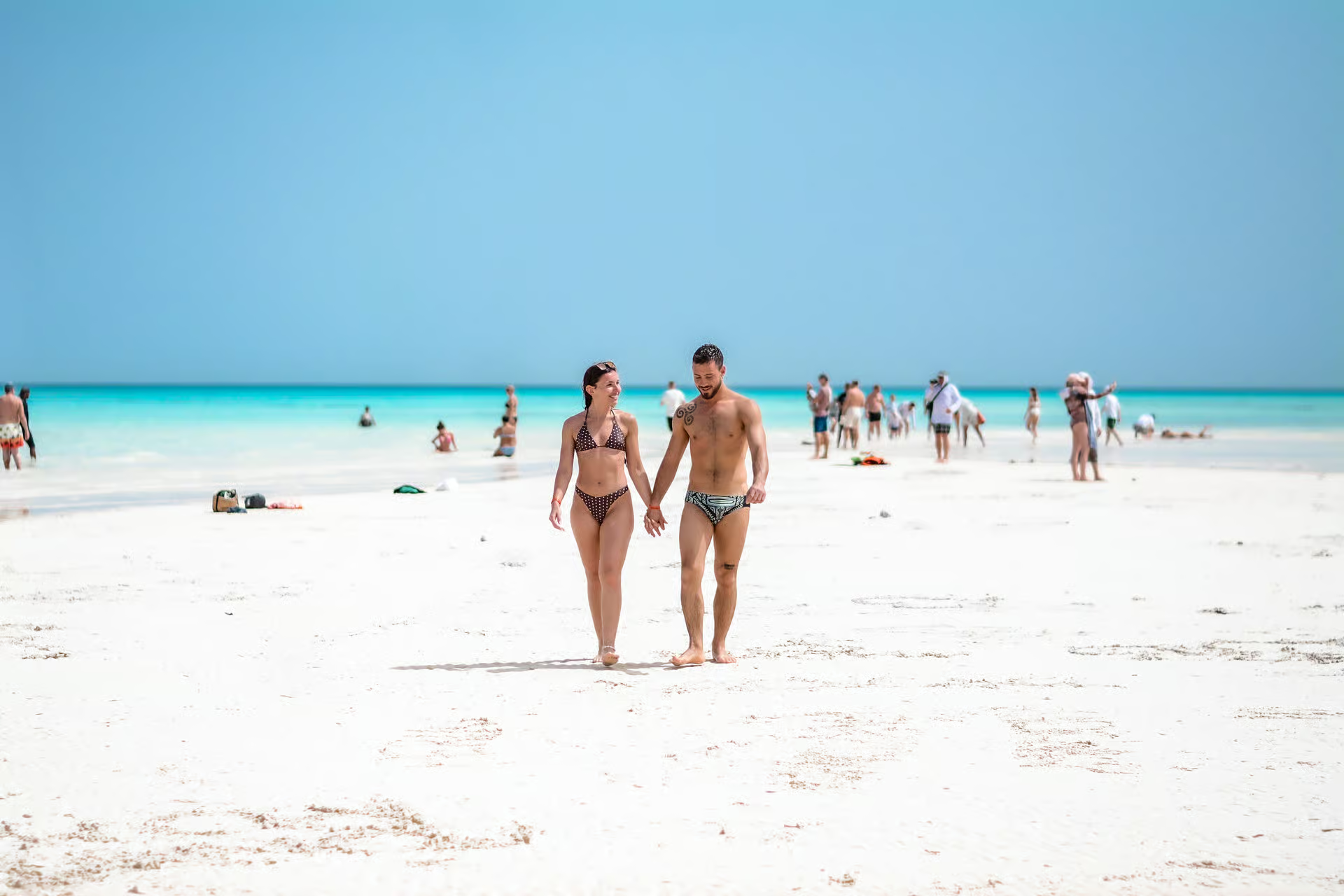
In early spring, slight plankton blooms can occur in open waters. While this marginally reduces visibility on certain deep drop-offs, it attracts pelagic marine life and creates thriving ecosystems along shallow fringing reefs. If you visit in spring, bring a thin 2mm neoprene top or shorty wetsuit for long sessions in March, though by May a simple rash guard is plenty. It is a fantastic season to hop on our Ras Mohamed & White Island Snorkeling, Diving & Lunch trip to witness the reefs coming alive.
Summer (June to August): Bath-Warm Water and Crystal Clarity
Summer in the Sinai brings air temperatures that consistently top 35°C–38°C (95°F–100°F). While daytime heat deters some land travelers, underwater conditions are spectacular.
- Water Temperature: 28°C to 30°C (82°F–86°F)
- Visibility: 30 to 40 meters
- Conditions: Flat, glassy seas with minimal wind
If you get chilly easily, summer is your season. The Red Sea feels like a warm bath, requiring no neoprene at all. Underwater clarity in July and August is often as good as it gets, offering unobstructed views deep into the drop-offs of the Ras Mohamed national park (where the $5 per person entry fee applies).
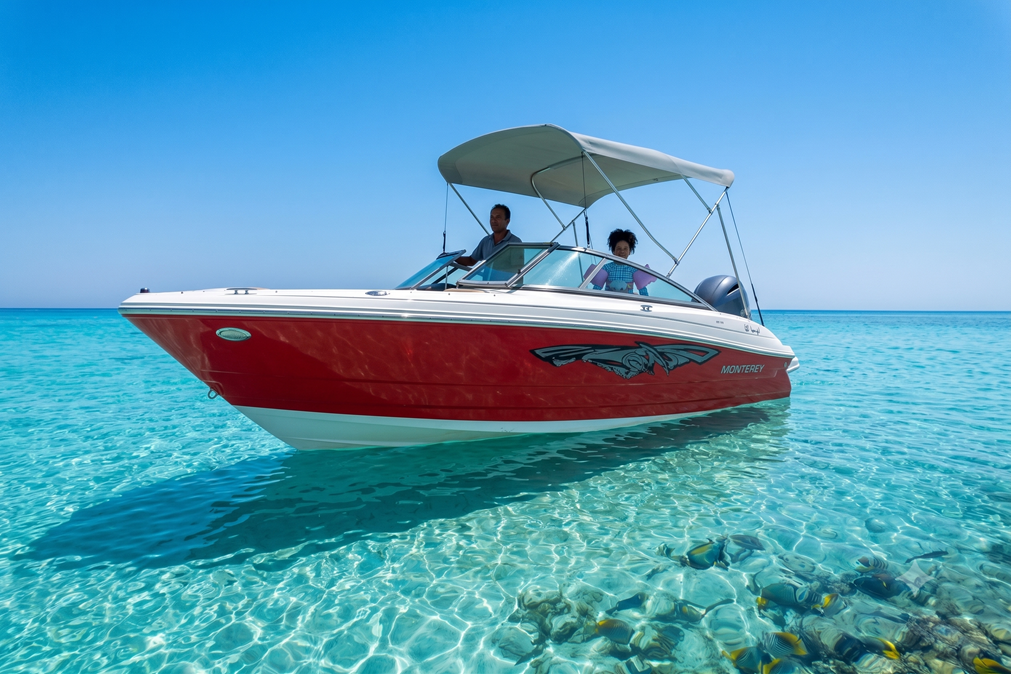
To make the absolute most of summer without overexposure to midday heat, we often recommend early morning departures or booking a Private Speed Boat Snorkeling Trip. This lets you hit the top reef sites early, enjoy pristine snorkeling before the sun reaches its peak, and return to your resort by lunch.
Winter (December to February): Clear Skies and Quiet Reefs
Winter brings crisp air, cooler water, and significantly fewer boats on the water. If you want quiet snorkeling sites and clear blue skies, winter travel is highly rewarding—provided you come prepared.
- Water Temperature: 21°C to 23°C (70°F–73°F)
- Visibility: 20 to 25 meters
- Conditions: Stronger breeze (bask under a windbreaker on deck)
While 22°C water is warmer than the Mediterranean in midsummer, the wind chill when climbing back onto the boat can feel brisk. The key to enjoying winter snorkeling in Sharm El Sheikh is simple: wear a 3mm shorty or full wetsuit. With thermal protection, you can stay in as long as you like.
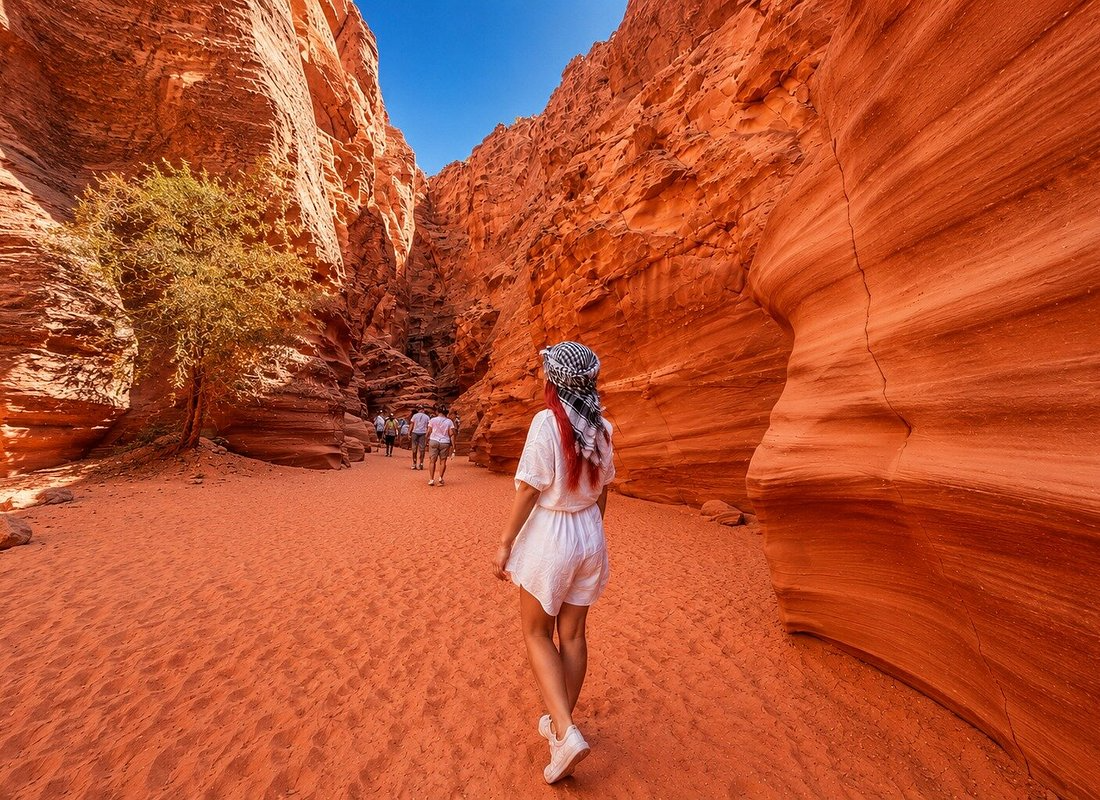
Winter is also the best time to combine snorkeling with land adventures. For example, on our Colored Canyon Jeep Tour with Blue Hole & Dahab, you can trek through dramatic desert canyons in comfortable air temperatures, then enjoy a refreshing afternoon snorkel in the world-famous Blue Hole (note: the $5 per person park fee applies here as well).
Summary: What to Pack by Season
To help you plan your trip, here is a quick packing checklist based on when you plan to visit:
- Autumn (Oct–Nov): Rash guard, swim shorts, reef-safe sunscreen. Water is warm; no wetsuit needed.
- Spring (Mar–May): Rash guard for May; optional 2mm shorty for March/early April.
- Summer (Jun–Sep): UV protection shirt, wide-brim hat, electrolyte packs, reef-safe sunscreen. Zero wetsuit needed.
- Winter (Dec–Feb): 3mm wetsuit, windbreaker jacket for boat decks between swims, warm hat for after your dive.
No matter what month you join us on the Red Sea, the vibrant hard corals and abundant marine life are waiting. Pack appropriately for the water temperature, respect the marine park guidelines, and let our experienced team show you the spots we've loved since 1990.
Tours mentioned in this guide
Ready to see it for yourself?
Book direct with the family that has been running Sharm's excursions since 1990 - 20% deposit, balance on the day.
Browse all tours